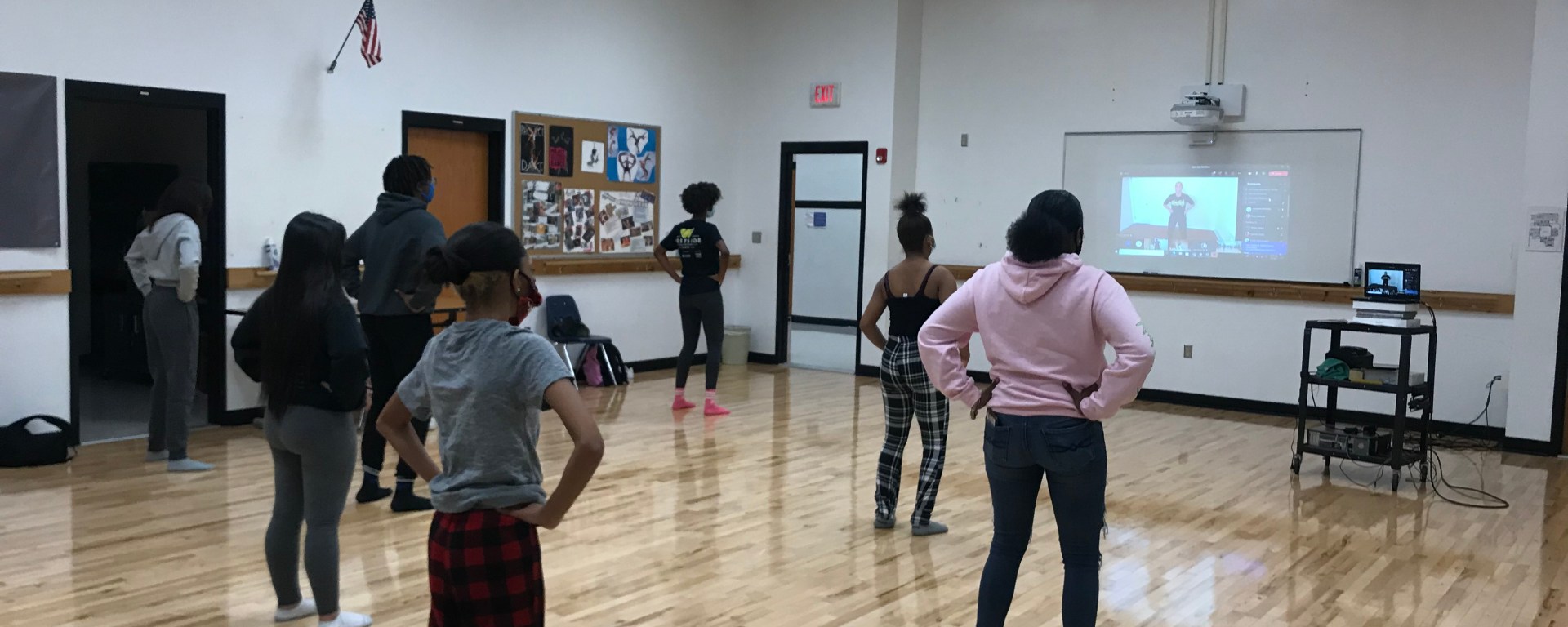
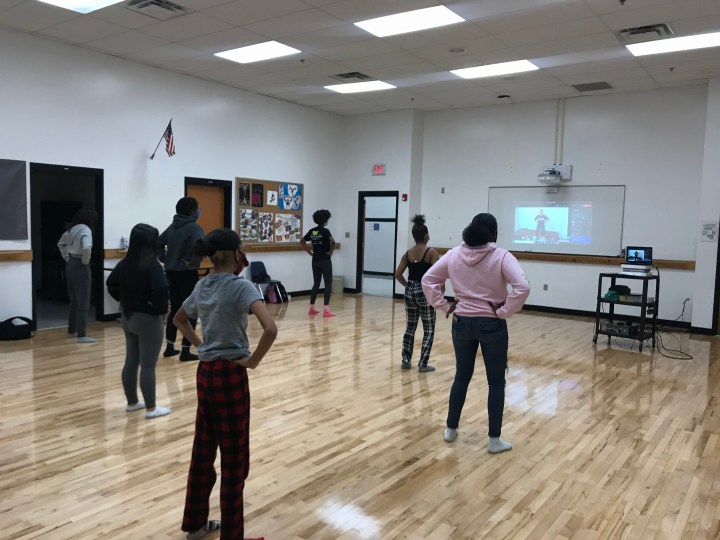
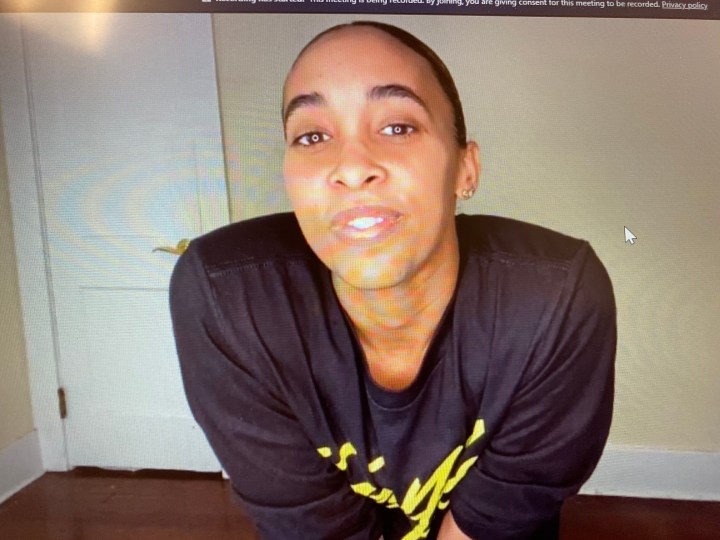
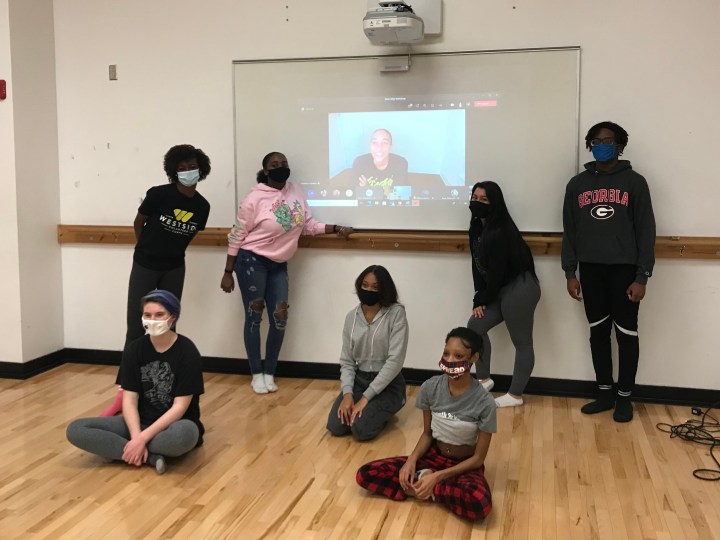
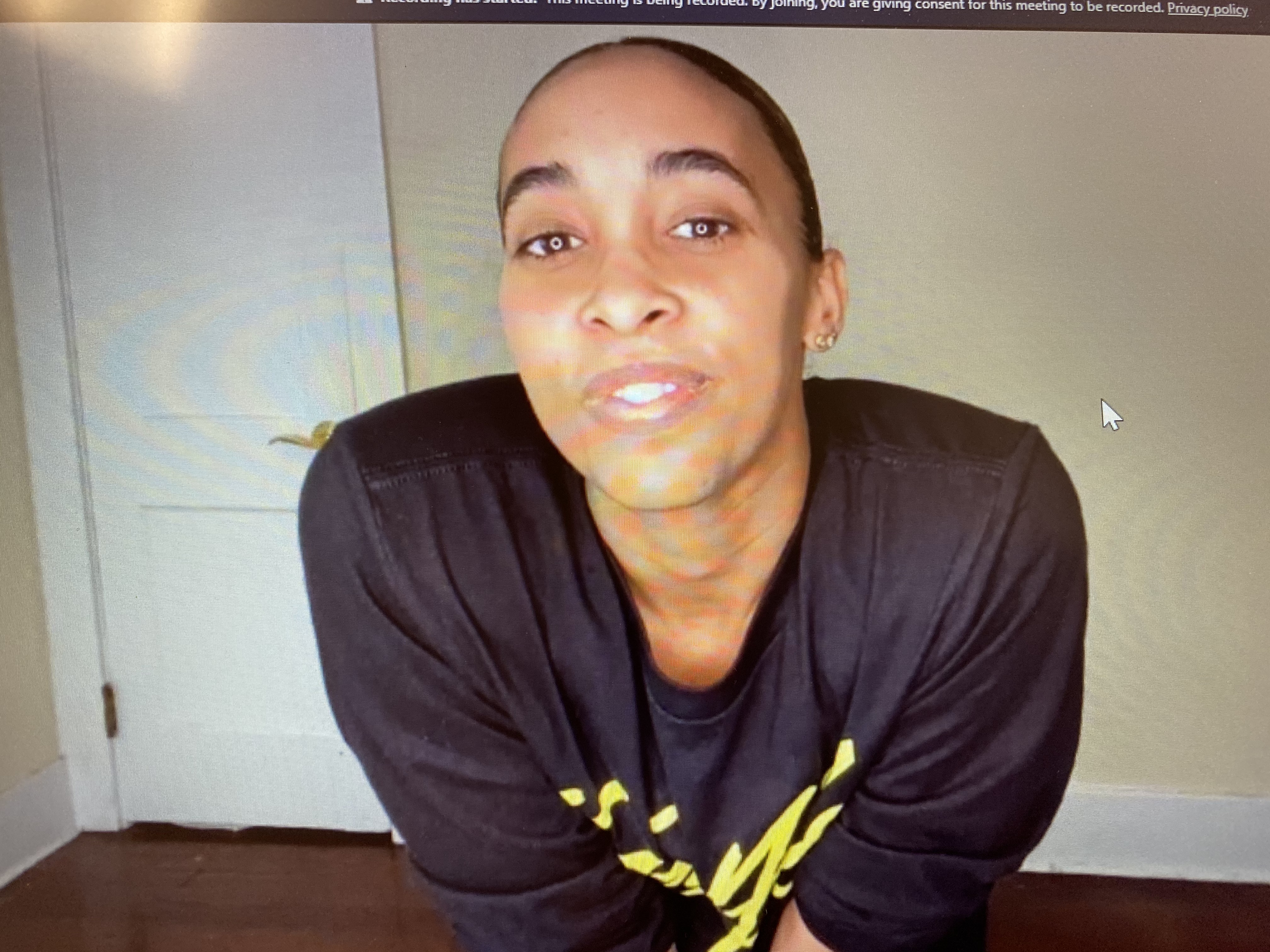
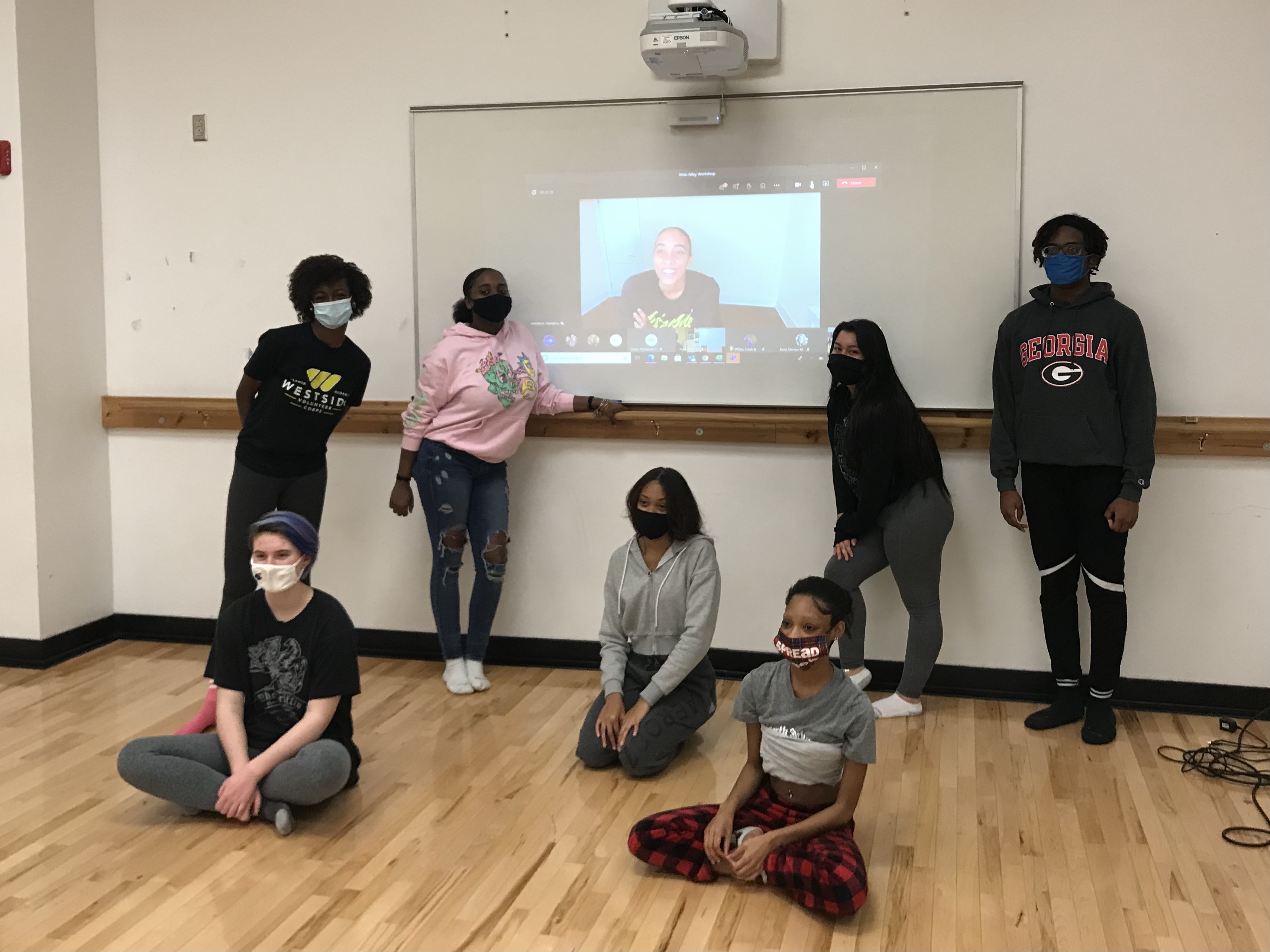
Some highlights from the Alvin Ailey workshop in the dance department in February.
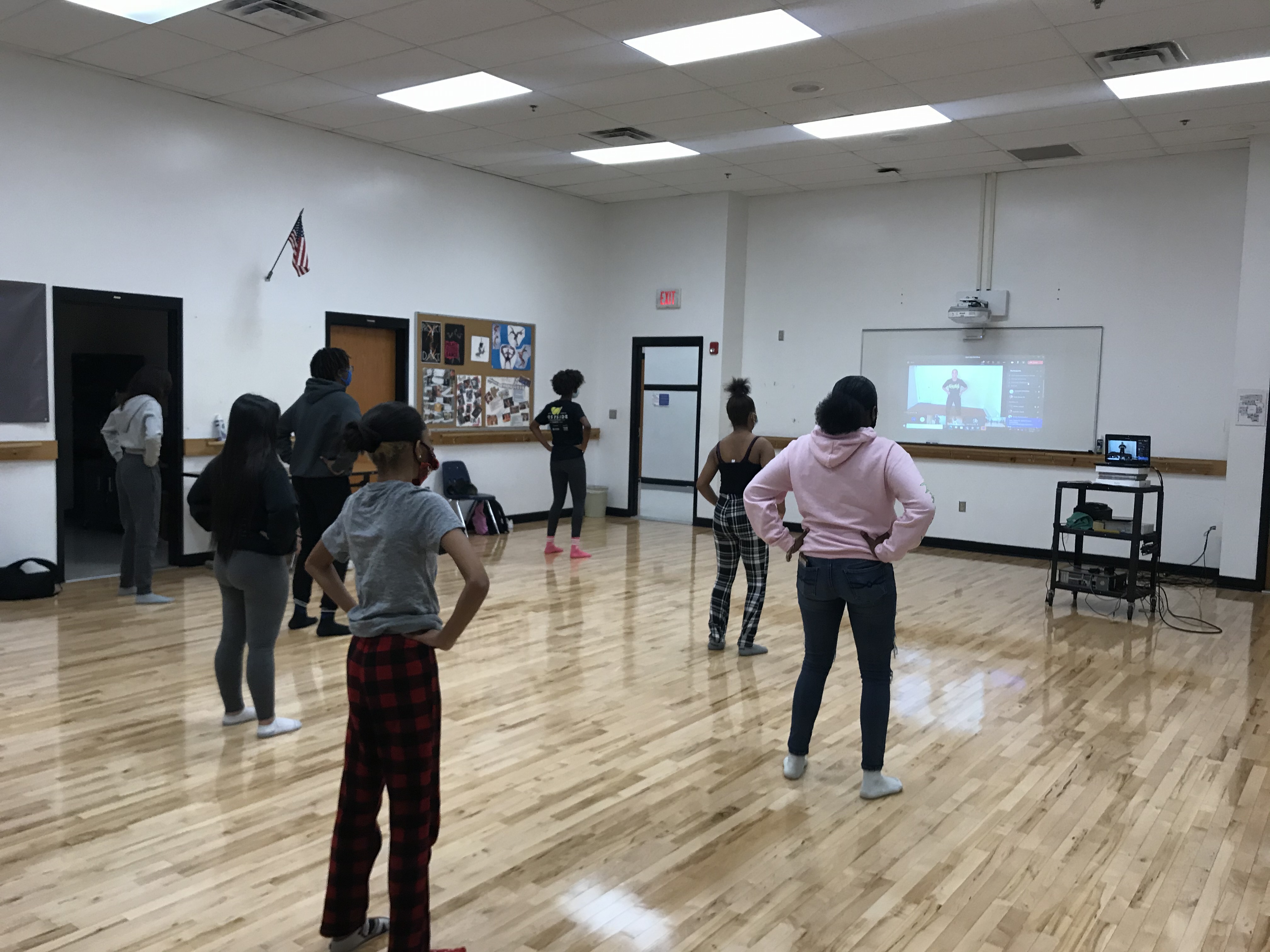
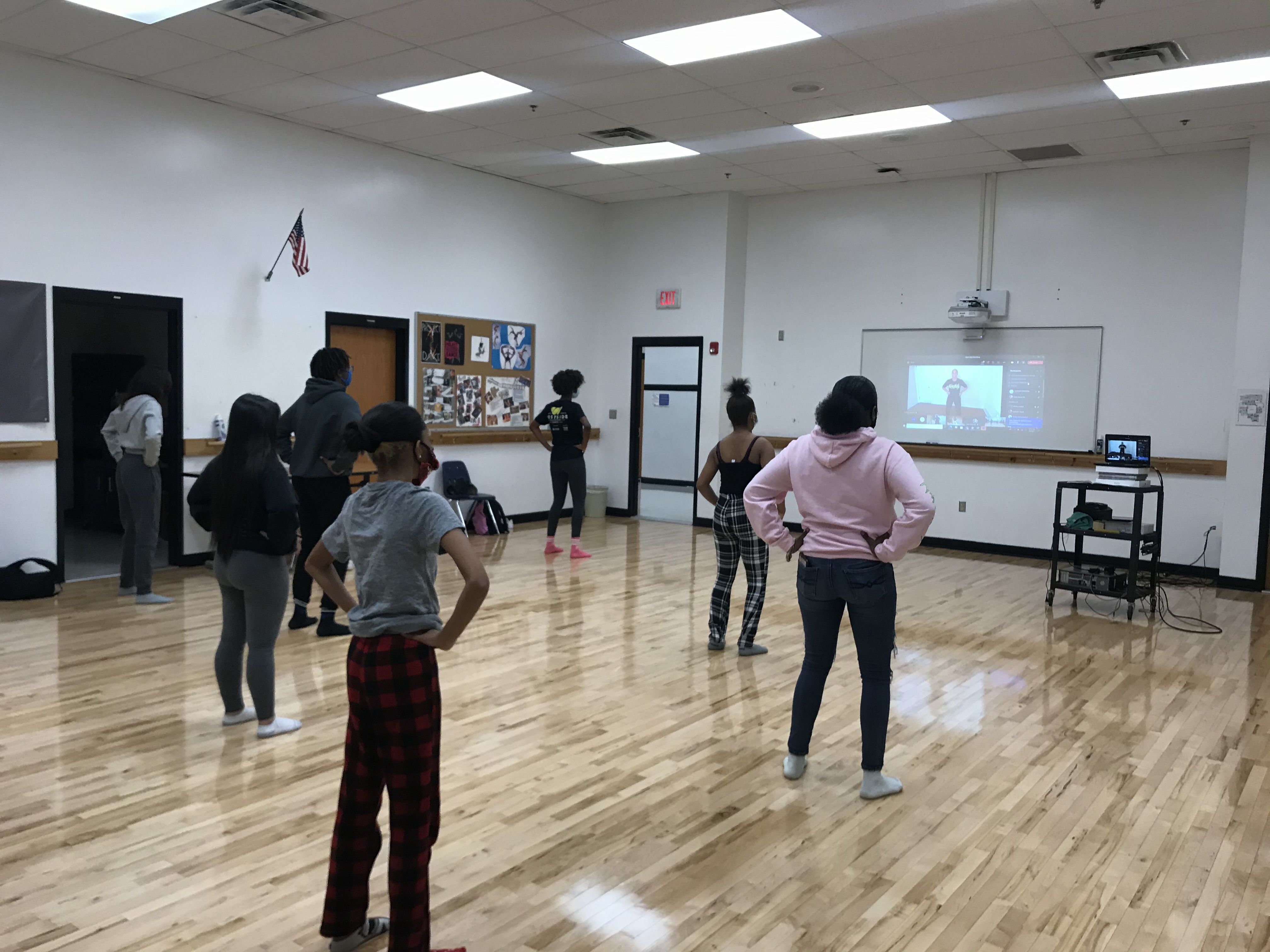
The Oracle reached out to Ms. Kent and Ms. Nobel in the VPA Dance Department to find out more about how the North Springs dance program has adjusted to the virtual/hybrid model, and how it’s succeeding this year. Here is what they shared!
The Oracle: How is doing dance online different from dance in person? Have you found it’s more challenging?
Ms. Noble: Online dance is VERY different online as opposed to being in person. Dance is a performance/movement-based art form. It is also an experience and not just the activity itself. Dancers interact with one another in class and feed off of the energy in the room. Teachers can use hands-on instruction, verbal cues, and provide feedback based on visuals. When you take all of that away, which online dance mostly does, it makes for a very challenging classroom experience for the teacher and the student. You have to be very creative and innovative in delivering dance content online. I, myself, am used to just… dancing! However, I developed SO many tools and skills as a necessary alternative to teach dance effectively online. And yes, it is absolutely more challenging.
Ms. Kent: It is definitely more challenging! Things move at a much slower pace with all the transitions and pauses and challenges of technology. However, we manage to make it work somehow. Dancing online certainly is not better or a replacement for in person classes though.
The Oracle: How have you managed to have students collaborate?
Ms Noble: In my classes, students have had to do a lot more independent creative works. Many lessons where I would normally create small groups of students had to be converted to fit students to work by themselves. We have had some partner work that would require students to work together in MS Teams breakout rooms, FlipGrid, or even FaceTime. Students have had to be much more resourceful and creative to make collaboration happen. A few were able to meet with masks and dance socially distanced, which was a treat to see! I think a great thing has been my teacher-student collaborations. I have reached out to my students regarding input on some dance projects they suggested, or ideas on HOW they would best like to approach content that would normally be easily danced in the classroom. My students have really been a big help in working together to keep them engaged and make online dance fun for them.
Ms. Kent: Collaboration has been a challenge as we normally work in groups. We do use the breakout rooms but I have found the best way to do collaboration is through exchanging of creative ideas and concepts for the dances that we’re developing. And then from there, people can work more independently. Student to student critiques and feedback is also something we try to do as much as possible. A few of my classes have produced creative projects together.
The Oracle: How do you feel about teaching online? What have you changed in your methodology?
Ms. Noble: Teaching online has really taught me more about patience, thinking outside of the box, grace, and spontaneity when it comes to dance instruction. I have been teaching dance for 15 years and I have had to rethink my entire approach with teaching online! There have been a lot of trial and error days, and also a lot of rewarding “we got this!” days. I will always prefer teaching in the classroom and studio. However, I am challenged to think about more dance-for-the-camera assignments and projects, and even how to integrate live performance and digital in the future. I am more open to that relationship, for sure. Moving forward, my methodology will naturally adjust and change to fit these new norms in terms of lessons, assessments, and the structure of the classroom in a digital world.
Ms. Kent: I believe the biggest thing that has changed is having students working on multiple things at one time. Normally, we all work as a group on dances towards shows etc. I actually feel excited about developing the skills as a teacher. In the future, I will address shows differently as far as student requirements , expectations, and allowing flexibility on show participation. I now have many more ideas that can provide more flexibility.
The Oracle: What’s the best part about teaching dance online? What’s the worst part?
Ms. Noble: The best part about teaching online is the flexibility of delivering and receiving the information. As a teacher, I can provide multiple options for my students to learn a dance phrase, piece, or concept. As a student, you have that direct instruction with you for as long as it’s available and when it’s convenient for you. For example, learning a dance in person can be overwhelming and even frustrating depending on the dancer. You can mentally shut down, and once you leave, it’s gone. If I have a video/tutorial of what the teacher or instructor has taught, I can rewind it, stop it, and rewind it again until I feel comfortable. That lesson is always available to me. As a teacher who is still taking dance classes, I really like the flexibility of the online dance class. And it think we all know the worst part… “can you please turn on your camera!?”
Ms Kent: The worst part is not seeing the students. Dance is so interactive and so kinesthetic. It’s super difficult to not see dancers in the moment and give that instant feedback and exchange of energy. The best part for me since I’m not getting any younger is it’s not so loud.
Community Collaboration
Last May, The North Springs Dance department created a Collaborative project with guest artist, Pilobolus Dance Theatre for teleschool. The piece and its creation was featured on the Fulton County Schools main webpage. Dance instructor Denise Kent shared the 3 minute video, and commented, “As much as students like Tik Tok and taking selfies, it was surprisingly difficult to get them to submit videos. However, it was worth the push and something meaningful and fun they can remember during this time. It’s nice to see our students’ faces so I wanted to share this — We are super proud of them!”
Pilobus featured the following students: Jailyn Sorrells, Jamie Bronner, Khairi Morrow, Makayla Hague, Xavier Logan, Tyla Givens, Campbell, Bryan Zaria, Caldwell, Mila Barbuto, Naiji Downs, Sarah Traub, Ginger Mattison, Kerria Farley, Hailey Conerton, Breanne Judy, Jacqueline Monasterio, Kyla Baker, Amaya Belizaire, Deja Roberts, Nia Bennett, Mekhi Mobley, Lelah White, Trinity Austin.
In addition to Pilobus, Ms. Noble and Ms. Kent shared segments of other performances. Check them all out below!
Pilobolus
Additional featured projects:
Lelah ‘Brook’ White; Project: “The Sign of the Times” student choreography- Jazz 3M/4M
Treania Mathews and Tyla Givens; Project: “The Sign of the Times” student choreography- Jazz 3M/4M
“Colours on the Ground” – Student Dance Cover (Start at 17:40 mark).
Featuring Mila Barbuto, Hailey Conerton, Andrea Cordero, Laila Freeman, Makayla Hogue, Xavier Logan, Khairi Morrow. Original song “Colours on the Ground” by Trevor Jackson (2016 Songbook entertainment).
