by Sarah Meiselman
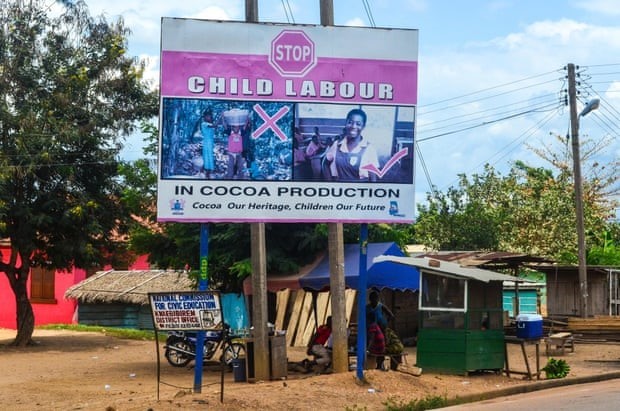
Only considering the known instances in West Africa, the use of child labor in the chocolate industry is currently affecting the lives of over 2 million children. Major companies, such as Nestlé, Hershey, and Mars, buy cocoa, whether knowingly or not, from farms that use child labor, and, in some cases, slavery, and then use that cocoa in the chocolate sold in stores all over the United States.
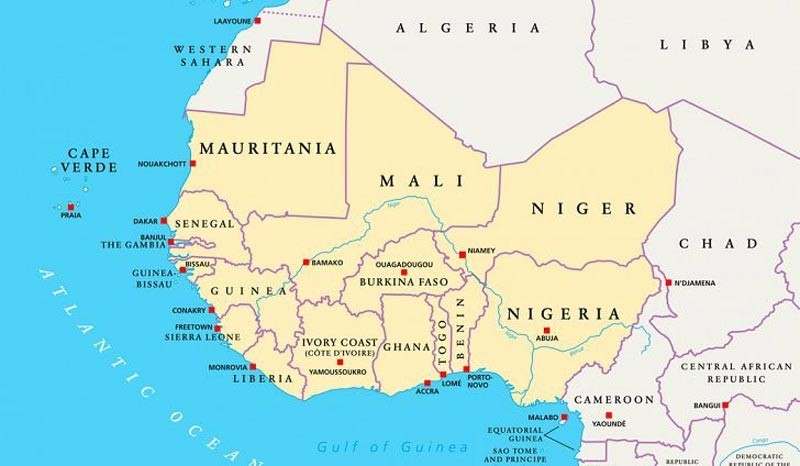
Chocolate made from cocoa beans farmed in Latin America has had no documented instances of child labor or slavery, fortunately. However, Western African countries, mostly Ghana and the Ivory Coast, supply more than 70% of the world’s cocoa, and have had several instances of reported child labor. On average, cocoa farmers earn less than $2 per day, an income below the poverty line for a family, so cocoa farms often resort to the use of child labor to keep their prices competitive. Consumers today have no sure way of knowing if the chocolate they are buying was created from slavery or child labor.
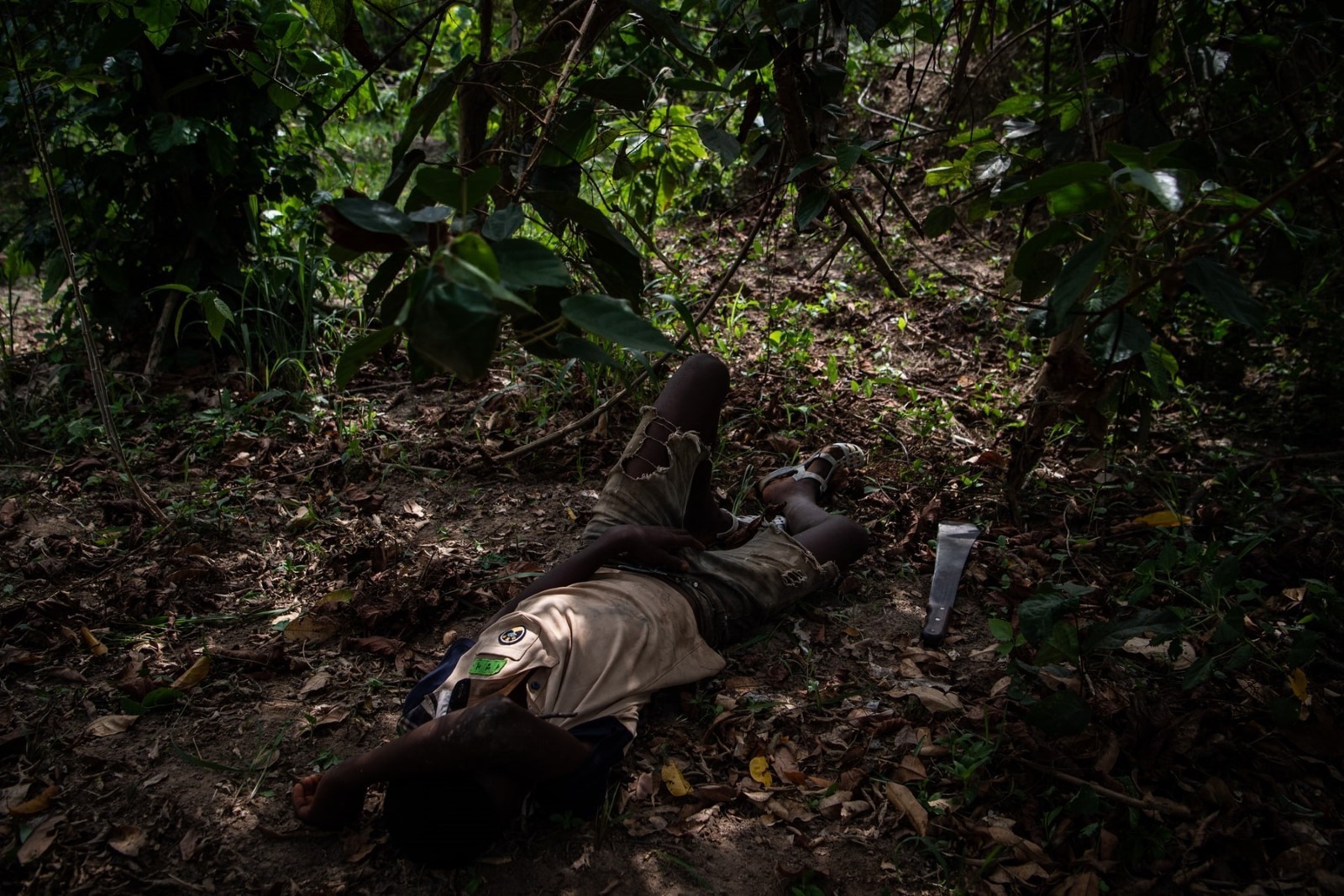
The typical Ivorian cocoa farm is less than 10 acres, and the farmer’s annual household income is about $1,900. With such low wages, parents living in this area often cannot afford the costs of sending their children to school, and instead use them on their farm. When addressing child labor, often people do not realize the solution lies in paying the farmers more for their cocoa. More money would give farmers enough to pay for their children’s school expenses and allow the farmers to not be in such extreme poverty, so that they could fairly pay their workers, and be able to afford adult workers. Some child workers said they came to farms in search of a better life, but these children are only paid about 85 cents a day. Karim, who explained that he arrived in the village of Bonon four years ago when he was 12, said, “There is no money in Burkina. We suffer a lot to get some money there. We came here to be able to have some money to eat.” He also said he would like to stay in Ivory Coast to make more money.
The abuse children face in the chocolate industry is directly linked to economics, involving both the money the farmers desperately need and the money the children desperately need. Traffickers typically offer the children, who could be as young as 10, money or products like bicycles, to take a bus to Ivory Coast. About half of the children interviewed by the Washington Post said that after going to the farms, they were not free to return home, and more than two-thirds said they experienced physical violence or threats. A 2015 report for the U.S. Labor Department found that, based on interviews with about 12,000 people, the number of child laborers reported to have worked in West Africa the previous year had increased to 2.1 million from 1.8 million in the previous survey, completed in 2009.
In Guiglo, Ivory Coast, a Washington Post reporter interviewed five boys on a cocoa farm, all of whom had crossed the border months or years ago from the West African nation of Burkina Faso. The boys told the reporter that their ages range from 13 to 15. One of the fifteen-year-olds, Abou Traore, said, “I came here to go to school. I haven’t been to school for five years now.” The farmer overseeing Abou, and the other boys, told the Post’s reporters about the steady stream of buses carrying people from Burkina Faso into the area. There’s “a lot of them coming. It’s them who do the work.” The farmer explained that he was paying the boy’s gran patron, who manages the boys, a little less than $9 per child for a week of work. This gran patron then went and paid each of the boys about half of that. The farmer said he considers the boys’ treatment unfair, but the low price of cocoa has made life difficult for everyone and hiring them gave him the help he needed. He said, “I admit that it is a kind of slavery. They are still kids, and they have the right to be educated today. But they bring them here to work, and it’s the boss who takes the money.”
The estimated two million plus children working on these farms are forced to use machetes, toxic chemicals without proper protection, and carry excessive loads. They often sleep in huts out in the woods, spend their days doing hard manual labor, do not attend school, and are not allowed to see their families. One of the boys that the Post interviewed told the reporter that when one of them gets ill, the other boys all put together their money to go to the pharmacy. In a different case taken to court, some boys had been reported to have worked for two years without ever being paid, often applying pesticides and herbicides without protective clothing. These documents also claimed another child had visible cuts on his hands and arms from machete accidents.
Back in the United States, Representative Eliot L. Engel introduced legislation that would have created a federal labeling system to indicate whether child slaves had been used in growing and harvesting the cocoa used in a product that Americans might want to buy. It would have allotted $250,000 to the Food and Drug Administration to develop the labels. The measure passed the House, but the chocolate industry did not believe that government regulation was necessary. According to a 2011 letter written for researchers working on a study funded by the U.S. Labor Department, from an industry group representing Hershey, Mars, Nestlé and other companies, “The industry in fact does not know of any [certification] system that currently, or in the near term, can guarantee the absence of child labor, including trafficked labor, in the production of cocoa in West Africa. There was, and is, no roadmap to implement the Protocol.”
Fairtrade, Utz, and Rainforest Alliance, three nonprofit groups, provide labels for products that have been produced according to their ethical standards, which include the prohibition of child labor. These are not fully reliable, however, because the cocoa farm inspections by these nonprofit groups are easily evaded. When the group performs inspections on these farms to determine if the farm earns their label, they announced in advance when they will arrive for the inspection. Furthermore, the groups are only required to inspect fewer than 1 in 10 farms annually, of the ones who earn their label. In a 2017 Nestlé report, Nestlé said, “Put simply, when the [certification] auditors came, the children were ushered from the fields and when interviewed, the farmers denied they were ever there.” Still, in the past decade, chocolate companies have pledged to buy increasing amounts of cocoa certified by one of these three nonprofit groups. Mars reports buying about half of its cocoa from certified sources and Hershey reports 80 percent. Farmers are paid as much as 10 percent more for their cocoa in exchange for meeting these groups’ ethical standards.
In a lawsuit filed in Washington DC by the human rights firm, International Rights Advocates, on behalf of eight former child slaves who say they were forced to work without pay on cocoa plantations in the west African country, Nestlé, Cargill, Barry Callebaut, Mars, Olam, Hershey, and Mondelēz were named as defendants. The people who brought the case against them in the court, all of whom are originally from Mali and are now young adults, were seeking damages for forced labor and further compensation for unjust enrichment, negligent supervision, and intentional infliction of emotional distress. This was the first time that a class action of this kind had been filed against the cocoa industry in a US court.
In response to the news of the lawsuit, Nestlé said that the lawsuit “does not advance the shared goal of ending child labor in the cocoa industry” and a Mars spokesperson said: “We don’t comment on any possible pending litigation.” Mondelēz said it did not wish to comment as well. Hershey said, “We have worked hard over the past several years to implement meaningful programs and work with our cocoa suppliers and West African governments to combat these issues and use our influence to make a positive impact.”
The children of Western Africa are surrounded by intense poverty, and most begin working at an early age to help support their families, leading some of them to end up on the cocoa farms because they need work and traffickers tell them that the job pays well. Other children are sold to traffickers or farm owners by the children’s relatives. Former cocoa slave Aly Diabate told reporters, “The beatings were a part of my life. I had seen others who tried to escape. When they tried, they were severely beaten.” When asked what he would tell people who eat chocolate made from slave labor, Drissa, a recently freed slave, replied, “When people eat chocolate, they are eating my flesh.”
There is no foul proof way of determining if a chocolate brand is ethical, but in 2020, the Ethical Consumer came out with a list of brands they believe to be ethical in terms of the places the company buys their chocolate from. The list includes Cocoa Loco, Traidcraft, Equal Exchange, iChoc, Vivani, Ritter Sport, Plamil, Lidl, Divine, Tony’s Chocolonely, Fairafric, Vego, Beyond Good, Chocolate Madagascar, Pacari, Co-op, Moo Free, Willies, Ombar, and Mia.
Similarly, The Food Empowerment Project came out with their own extensive list of vegan chocolate companies that they believe to be ethical, which can be found at F.E.P.’s Chocolate List – Food Empowerment Project (foodispower.org)
The next time you buy chocolate, consider the following when buying from Nestlé, Hershey, or Mars. Even after 20 years of pledging to eradicate child labor, these companies still cannot identify all the farms where their cocoa comes from, or whether child labor was used in producing it. Mars, the producer of M&M’s, Snickers, Dove, Milky Way, and more, can trace only 24 percent of its cocoa back to farms. Hershey, the maker of Hershey Kisses, Reese’s, York, and more, can trace less than half of the farms they get their cocoa from. Nestlé, the producer of Butterfinger, KitKat, Crunch, and more, can trace only 49 percent of its global cocoa supply to farms.